
Solar in Southeast Asia: the ASEAN Power Grid and Malaysia's place in it
Why a regional grid matters for solar, what delay would cost, and how much of Malaysia's solar potential is still unused.
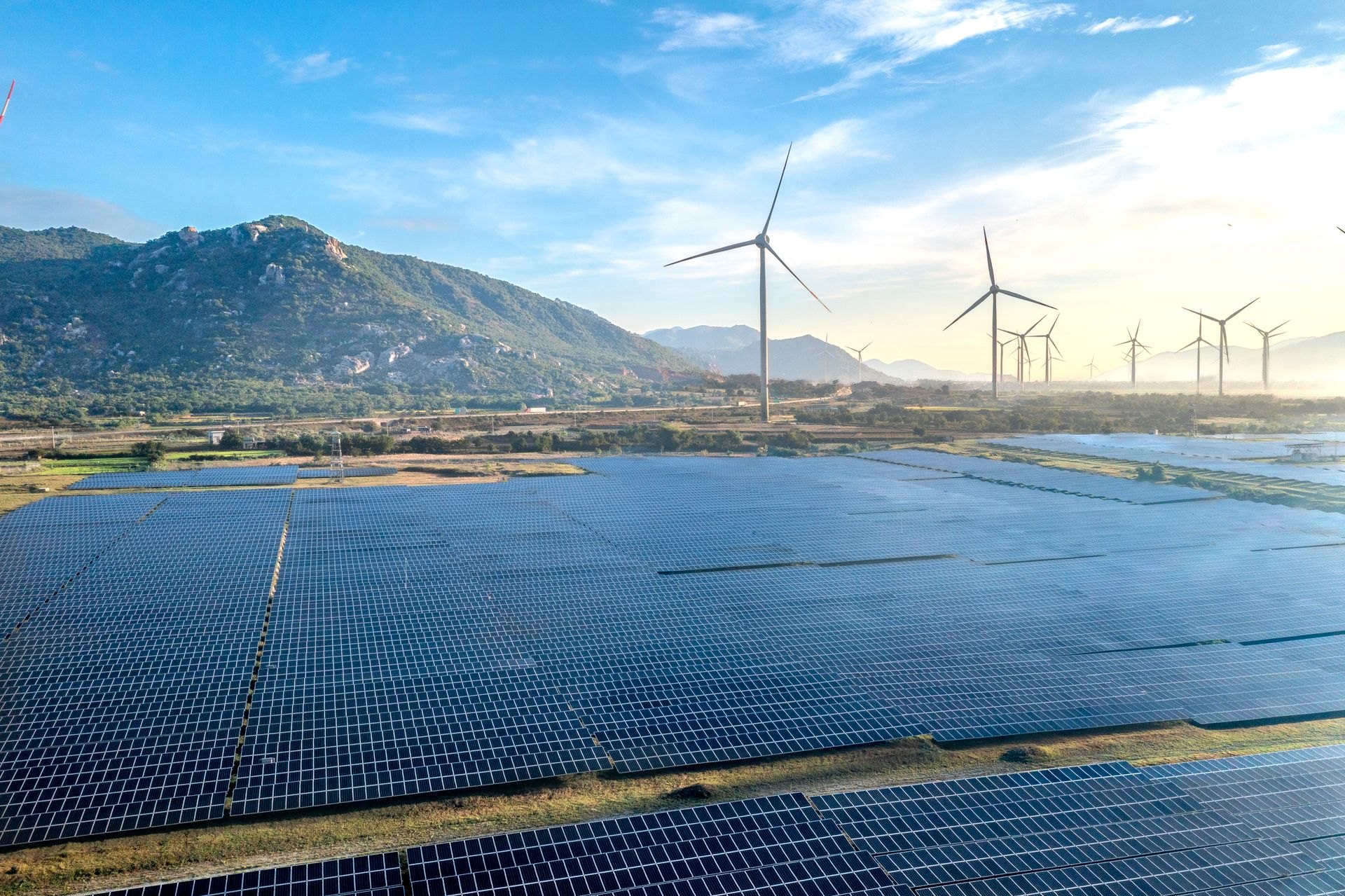
Solar works best when it can be shared. A cloudy afternoon in one country can be covered by sunshine or hydropower in another, if the cables exist to move the electricity. That is the idea behind the ASEAN Power Grid, a plan to link the national grids of Southeast Asia.
What the regional grid is worth
An August 2026 analysis by energy think tank Ember looked at what happens if the ASEAN Power Grid is completed later than its 2035 target. It found:
- Each year of delay would cost the region about US$2.6 billion, rising to about US$14 billion for a five-year delay.
- Up to 7.2 GW of solar would go undeveloped, because there would be nowhere to send the power.
- The shortfall would be filled mostly by gas, adding about 71 million tonnes of CO₂ by 2040.
The same analysis found that clean energy is already the cheapest way to meet the region's growth, making up more than 90% of the 400 GW of new capacity ASEAN needs by 2040.
Malaysia's position
Malaysia sits in the middle of the region's grid, between Thailand, Singapore, Sumatra and Borneo. It also has a large solar resource that is mostly unused.
- Ember estimates Malaysia's solar potential at about 268 GW: 138 GW in Peninsular Malaysia, 99 GW in Sabah and 32 GW in Sarawak.
- Installed solar stood at 5,777 MW at the end of 2025, a little over 2% of that potential.
- In 2025, 21% of Malaysia's electricity came from low-carbon sources, compared with a global average of 43%.
Why storage is the next step
Ember's earlier study noted that demand in Peninsular Malaysia peaks twice a day, at around 4pm and 8pm. Solar covers the first peak well but not the second. That is why new large-scale solar tenders in Malaysia now require battery storage, and why storage is becoming part of the conversation for factories and homes too.
The takeaway: the region is building towards a grid where solar is the main source of new power. Systems installed today will operate in that grid for the next 25 years.
Be part of where the region is heading.
Talk to us about solar, with or without storage, for your home or business.
Sources
- Ember: One-year slippage in the ASEAN Power Grid will cost the region $2.6 billion, 20 August 2026
- Ember: Solar and grid flexibility critical for Malaysia's future electricity affordability and security, August 2024
- Ember: Malaysia country profile
- pv magazine: Malaysia's solar capacity surpasses 5.7 GW, April 2026