
Net zero by 2050: what Malaysia's energy roadmap means for your business
The national targets, the investment behind them, and three practical ways a business can act now.
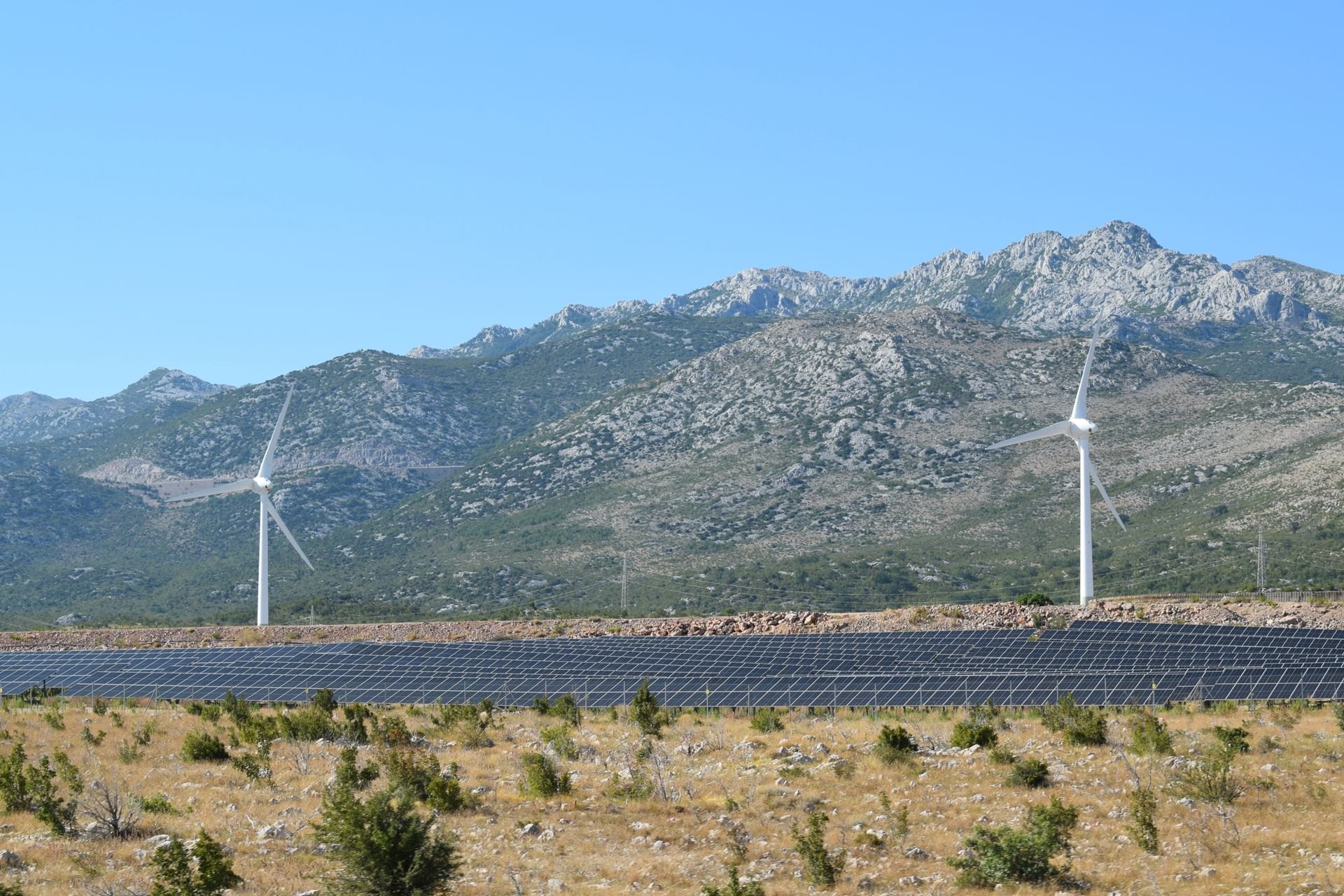
Malaysia has committed to reaching net-zero greenhouse gas emissions by 2050. The plan for getting there in the energy sector is the National Energy Transition Roadmap (NETR). It affects businesses in two ways: it shapes the rules and incentives you operate under, and it shapes what your customers and lenders expect from you.
The targets
| Year | Renewable share of installed power capacity |
|---|---|
| 2025 | 31% (achieved by December 2025) |
| 2035 | 40% |
| 2050 | 70% |
The roadmap works through six levers: energy efficiency, renewable energy, hydrogen, bioenergy, green mobility, and carbon capture. The government estimates the transition will open RM1.2 trillion to RM1.3 trillion of investment opportunities by 2050 and create about 310,000 green jobs.
How far there is to go
Fossil fuels still supplied about 79% of Malaysia's electricity in 2025, according to Ember. Closing that gap means much more solar, more storage, and a stronger grid. It also means more options for businesses that want cleaner power.
Why it matters to a business today
- Customers are asking. Exporters and suppliers to multinationals are increasingly asked to report and reduce their emissions.
- Electricity is a controllable cost. Generating part of your own power reduces exposure to tariff and fuel-cost changes.
- Financing follows. Banks and investors look more favourably on businesses with a credible plan to cut emissions.
Three ways to act
- Rooftop solar for your own use. The simplest step for most factories, warehouses and commercial buildings, under Solar ATAP or the SELCO guidelines.
- Battery storage. Stores daytime solar for later use and can reduce maximum demand charges.
- Green electricity through the grid. Large users whose roofs are too small can buy renewable power from a developer under the Corporate Renewable Energy Supply Scheme (CRESS).
Start with your own roof.
We review your last 12 months of bills and show what solar, with or without storage, can cut.