Home / Solutions / Battery Storage

Battery storage. Your solar, day and night.

Store the solar you don't use at midday, cut the demand charges on your bill, and keep essential power running when the grid goes down.

WHAT A BATTERY DOES

Four ways a battery earns its place.

01Peak shaving

The battery discharges during your highest-demand moments, so the grid sees a lower peak. For factories and large buildings, that lowers the maximum demand charge on every monthly bill.

02Solar after sunset

Surplus midday solar is stored and used in the evening, when air conditioning, cooking and lighting push usage up. Each unit you use yourself is worth more than a unit you export.

03Backup power

With a hybrid inverter and backup circuit, essential loads keep running during an outage: lights, fridge, Wi-Fi, security, servers or a production line's controls.

04Ready for what's next

Time-of-use tariffs, EV charging and rising demand all reward flexible energy. A battery, or a battery-ready system, keeps your options open.

HOW IT WORKS

Four parts working together.

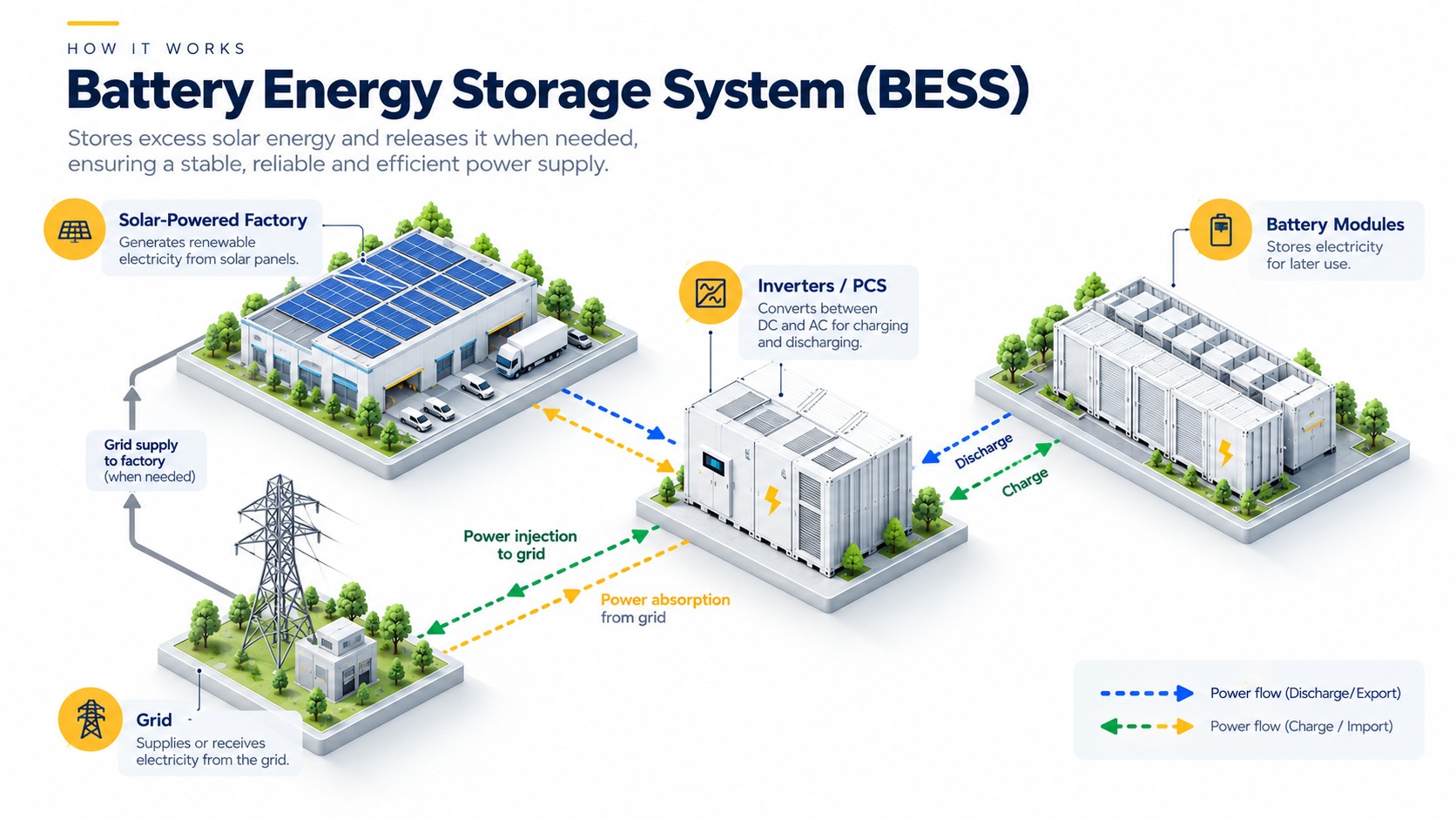
Diagram of a battery energy storage system: solar-powered factory, inverter or power conversion system, battery modules and the grid, with charge and discharge power flows
Solar panels

Generate electricity on your roof during the day.

Inverter / power conversion system

Converts power between DC and AC, so the battery can charge and discharge.

Battery modules

Store energy, from surplus solar or off-peak grid power, until it is needed.

Energy management system

Decides when to charge and when to discharge: shaving peaks, covering the evening or holding a reserve for outages.

The grid

Still supplies whatever the solar and battery don't cover, so you are never without power.

HOW PEAK SHAVING WORKS

One spike can set your bill for the whole month.

Medium-voltage customers pay capacity and network charges on their maximum demand: the highest average power drawn in any 30 minutes of the month. Several large machines starting together, or a hot afternoon with every chiller running, can set that figure even if it lasts only half an hour.

Since July 2025, those demand charges are RM89.27 per kW on the medium-voltage general tariff and RM97.06 per kW on medium-voltage time-of-use, where the peak counts between 2pm and 10pm on weekdays.

A battery watches your load and discharges only when demand approaches the target you set, so the spikes never reach the grid.

Peak hours (time-of-use): 2pm to 10pm, weekdaysSupplied by the batteryDemand (kW) Target maximum demand Grid demand 12am6am12pm6pm12am Peak hours: 2pm to 10pm, weekdaysSupplied by the battery Target maximum demand Grid demand 12am6am12pm6pm12am
Illustration only. The gold area is supplied by the battery, so demand from the grid stays at or below the target.
IS A BATTERY RIGHT FOR YOU?

Where a battery makes the most sense.

Homes with heavy usage

  • Large bills, above about 1,500 kWh a month
  • Most usage after dark: air conditioning in several rooms, cooking, EV charging at night
  • A large solar system that exports more than you can use, so credits risk expiring
  • Frequent outages, or someone at home who depends on power

Shops, offices and commercial buildings

  • Medium-voltage buildings with an evening peak, such as malls, hotels and offices on time-of-use
  • Critical loads that must stay on: cold rooms, servers, payment systems, CCTV
  • Sites with solar that already exceeds daytime demand on weekends or holidays

Factories and warehouses

  • High maximum demand charges on a medium-voltage tariff
  • Short, sharp peaks from compressors, furnaces, chillers or machine start-ups
  • Processes where a power dip means scrap, downtime or restarts
  • Plans to add EV charging or new lines without raising the peak
SCENARIOS

What it can look like in practice.

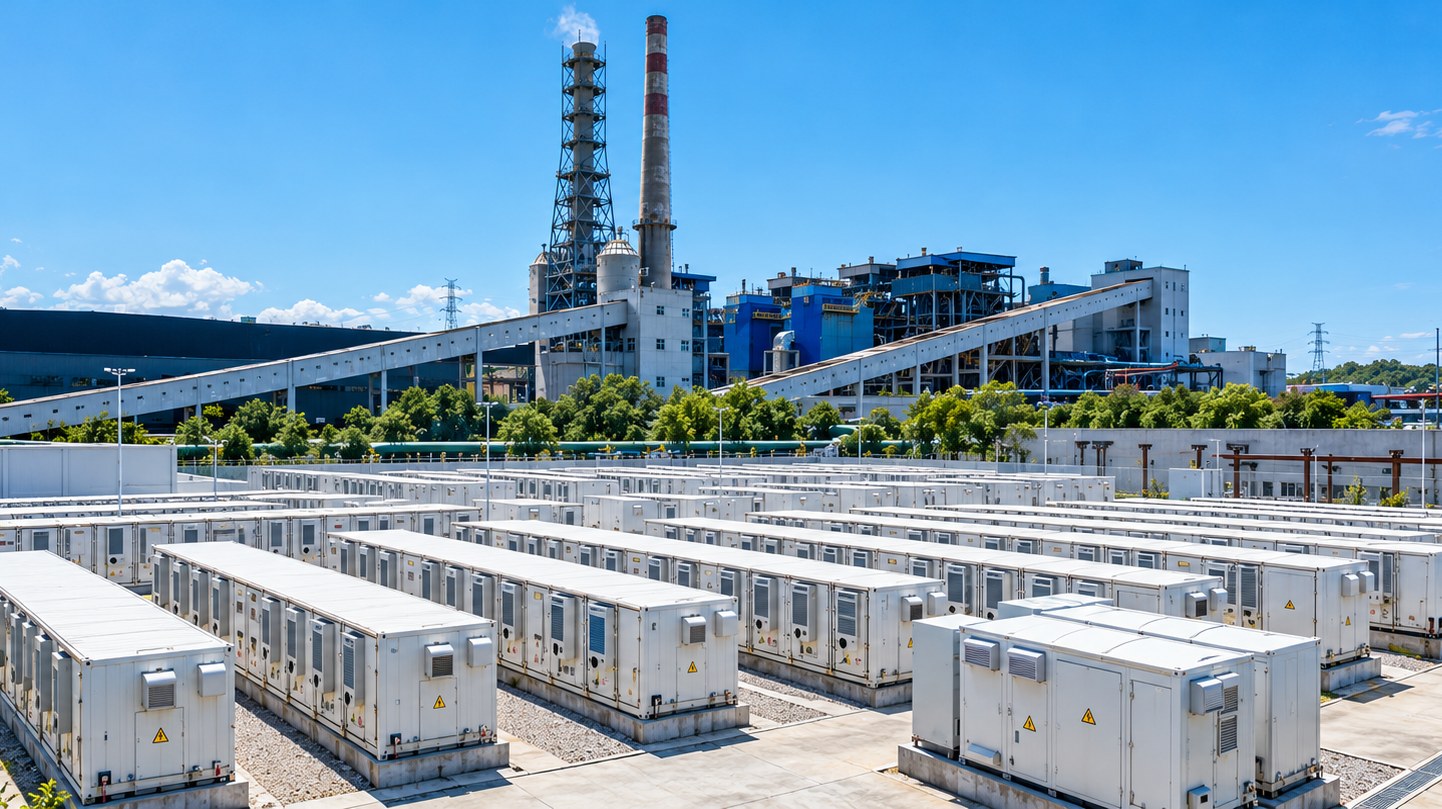
Battery storage cabinets beside a factory
FactoryMedium-voltage general tariff

Trimming short peaks

A large manufacturer using about 25 million kWh a year, with maximum demand of about 5,000 kW set by short spikes when furnaces, compressors and lines start together. A battery of around 1,000 kW / 2,000 kWh holds the peak at 4,000 kW.

Estimated saving≈ RM1.07 million a yearAbout RM89,000 a month: 1,000 kW lower maximum demand × RM89.27 per kW
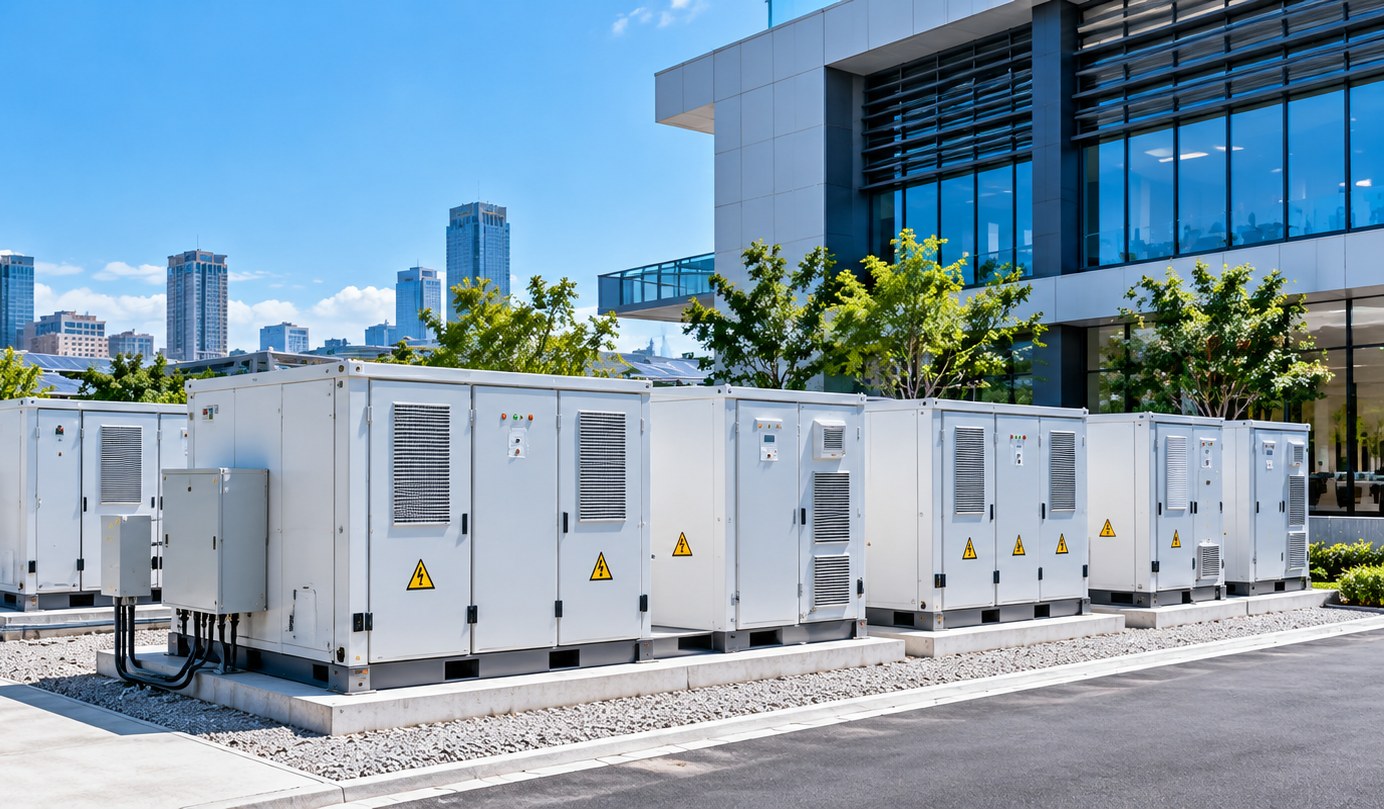
Battery storage cabinets beside a commercial building
Commercial buildingMedium-voltage time-of-use

Covering the evening peak

A shopping mall or hotel using about 6 million kWh a year, with peak-hour demand of about 1,500 kW. Solar covers the afternoon, but demand stays high from 6pm to 10pm, still inside the peak window. A battery of around 400 kW / 1,600 kWh, charged by midday solar, carries the evening.

Estimated saving≈ RM466,000 a yearAbout RM38,800 a month: 400 kW lower peak-hour demand × RM97.06 per kW
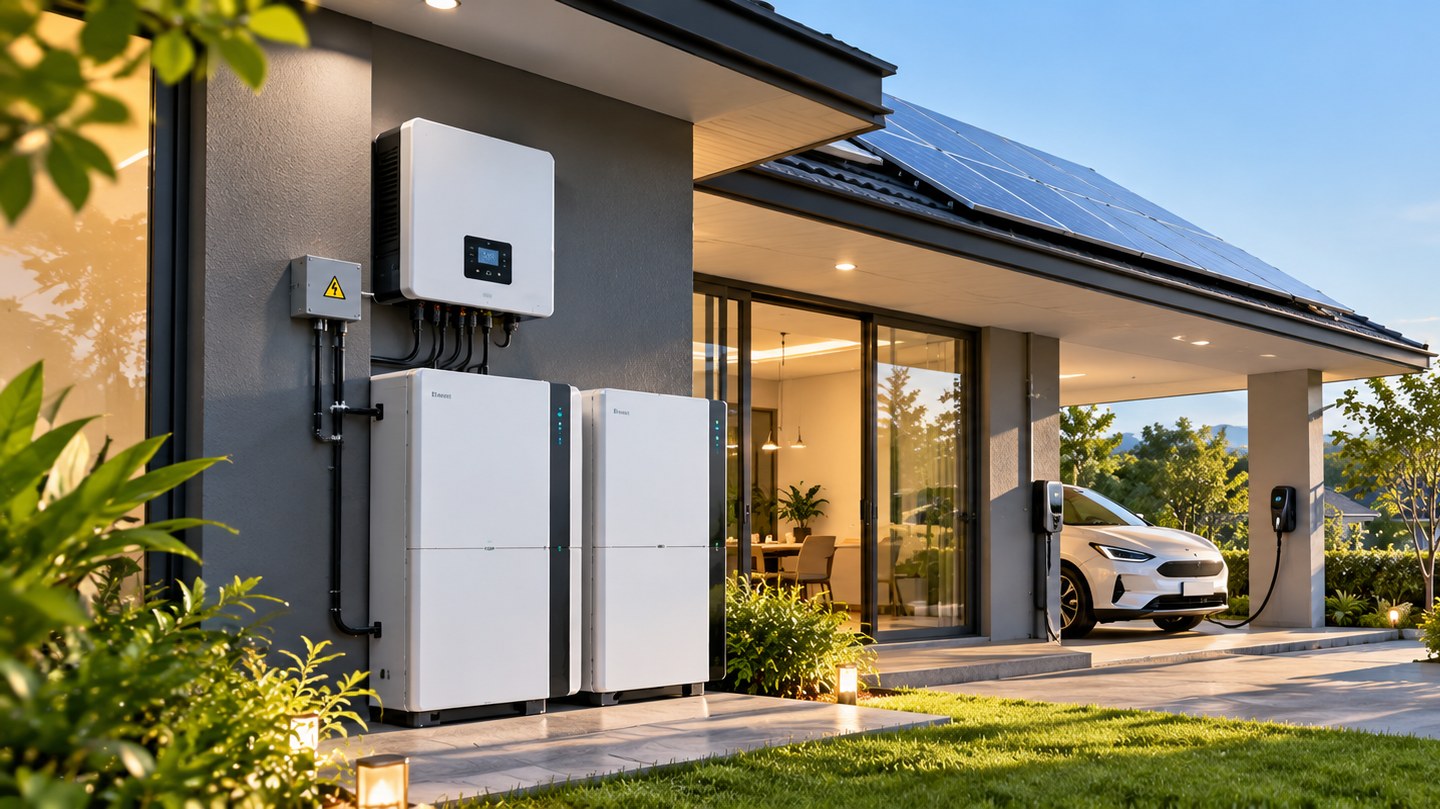
Home battery and inverter beside a house with an electric car
HomeHeavy evening usage

Using your own solar at night

About 24,000 kWh a year (2,000 a month) with most use after dark, and a solar system that exports at midday. A battery of around 15 kWh stores about 12 kWh of that surplus each day for the evening air conditioning, and keeps essentials on during outages.

Estimated saving≈ RM750 a yearAbout RM60 a month: 12 kWh of your solar used each evening, plus backup during outages

Scenarios are illustrations using TNB's tariffs in force since July 2025. Savings shown are before the cost of the battery. Actual savings depend on your load profile, tariff, battery size and how the system is operated; for homes, they are higher if your exported solar would otherwise go unused. We model your own data before recommending anything.

HOW WE DESIGN IT

Sized to your data, built to the safety rules.

  1. 01Read your load12 months of bills and, for businesses, half-hourly load data from TNB, to see when and how often your peaks happen.
  2. 02Size the batteryEnough kW to cover the peaks and enough kWh to last through them, without paying for capacity you won't use.
  3. 03Set the strategyPeak shaving, evening self-use, backup reserve, or a mix, programmed into the energy management system.
  4. 04Install safelyIn line with the Energy Commission's 2026 battery safety guidelines, with certified battery packs and a competent person responsible.
  5. 05Monitor and maintainLive monitoring, alerts and scheduled checks, so the battery keeps doing its job year after year.
INCENTIVE

Green tax incentives

Under the green investment tax allowance rules in force until 31 December 2026, battery energy storage for a company's own use falls in the top tier, at 100% of qualifying spending. Budget 2027 extends green technology incentives to 2030; the new rates are still to be confirmed.

Read the guide →
NOT READY YET?

Go battery-ready

If a battery doesn't pay off for you today, we can install a hybrid inverter and leave space and cabling, so adding one later is simple.

Find out if a battery pays for your site.

Send us your last 12 months of bills. We'll tell you plainly whether solar alone, solar with a battery, or a battery-ready system makes the most sense.

Get a free assessment